Total Solar Eclipse Spain August 2026: Your Ultimate Travel Guide
Get ready for an astronomical spectacle! On August 12, 2026, a total solar eclipse will sweep across Spain, offering a breathtaking celestial show. This guide provides everything you need to plan an unforgettable trip, from prime viewing locations to essential travel tips, and how PlanToTrip can help you organize it all.
Introduction to the August 2026 Total Solar Eclipse in Spain
What is a Total Solar Eclipse?
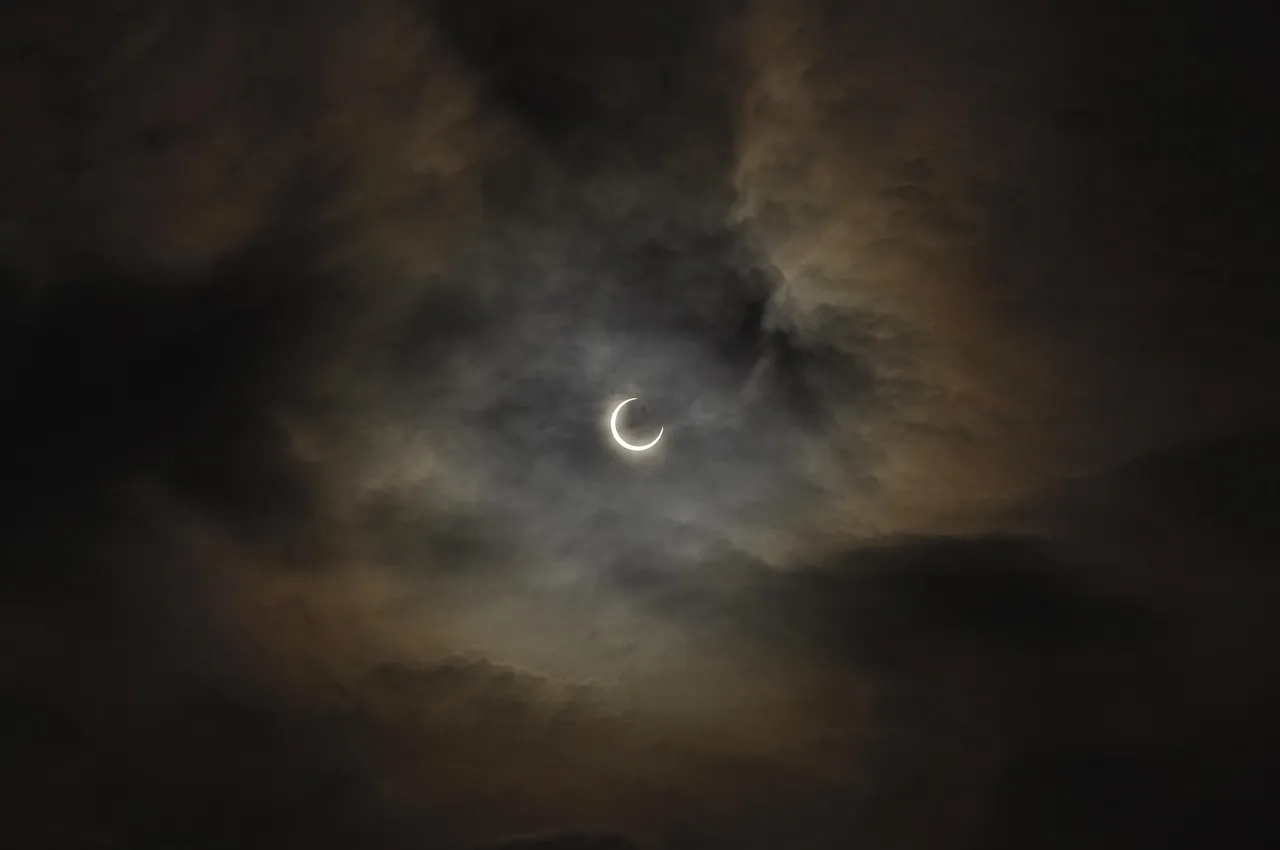
A total solar eclipse occurs when the Moon passes directly between the Sun and Earth, completely obscuring the Sun’s face. For a few precious minutes, the sky darkens, stars become visible, and the Sun’s ethereal corona, usually hidden by its bright light, becomes visible. It’s a rare and awe-inspiring phenomenon that draws observers from around the globe.
Why Spain is the Prime Viewing Location for 2026
While the path of totality for the August 2026 eclipse also touches Greenland and Iceland, Spain offers the most accessible and climatically favorable viewing conditions. With a high probability of clear skies, a well-developed tourism infrastructure, and a rich cultural tapestry, Spain is undoubtedly the premier destination for experiencing this event.
Key Dates and Times for the Eclipse
The total solar eclipse will occur on Wednesday, August 12, 2026. The exact times of totality will vary depending on your location within the path. For example, in northern Spain, totality is expected to occur in the late evening, just before sunset, lasting for approximately 2 to 3 minutes. In the Balearic Islands, it will happen slightly earlier in the evening. Precise timings for specific cities will become available closer to the date, but generally, expect the event to unfold between 19:30 and 20:30 CEST.
Best Viewing Spots in Spain for the 2026 Eclipse
Choosing your viewing location is crucial for an optimal eclipse experience. Spain offers diverse landscapes along the path of totality.
Northern Spain: Ideal Locations and Considerations
The path of totality will sweep across several regions in northern Spain, including parts of Galicia, Asturias, Cantabria, Castilla y León, and La Rioja. Cities like Oviedo, Santander, León, Valladolid, and Zaragoza are within or very close to the path. These regions offer stunning natural beauty, from the Picos de Europa mountains to the Cantabrian coast. However, northern Spain can be prone to cloud cover, even in August, so flexibility and monitoring weather forecasts will be key.
Balearic Islands: Unique Perspectives and Travel Logistics
The Balearic Islands, particularly Mallorca, Ibiza, and Formentera, are also in the path of totality. Viewing the eclipse from a Mediterranean island offers a unique perspective, potentially over the sea. Palma de Mallorca is a major city within the path. While the islands boast beautiful weather in August, they are popular tourist destinations, meaning accommodation and transportation will book up extremely fast. Plan well in advance for this option.
Other Notable Regions and Their Eclipse Prospects
Other areas like parts of Aragon and Catalonia will also experience totality. While major cities like Barcelona are just outside the path, smaller towns and rural areas within these regions could offer excellent, less crowded viewing opportunities. Researching specific towns along the centerline will yield the longest totality durations.
Factors to Consider When Choosing Your Spot (Weather, Accessibility, Crowds)
- Weather: August in Spain is generally sunny, but northern coastal areas can experience more cloudiness. Inland regions often have clearer skies. Consult historical weather data and be prepared for last-minute changes.
- Accessibility: Consider how easy it is to reach your chosen location. Major cities have better infrastructure, but rural spots might offer a more serene experience.
- Crowds: Popular locations will be extremely crowded. If you prefer a quieter experience, consider smaller towns or rural areas, but ensure you have all necessary supplies.
Essential Travel Tips for Your 2026 Eclipse Trip to Spain
Planning for an event of this magnitude requires careful preparation.
Accommodation: Booking Early and Alternative Options
Demand for accommodation will be unprecedented. Book your hotels, guesthouses, or rental properties as soon as possible. Many places are already accepting reservations. Consider alternative options like camping (if permitted and safe), or staying slightly outside the path of totality and driving in on eclipse day, though traffic will be heavy.
Transportation: Getting Around Spain During the Eclipse
Major cities are well-connected by Spain’s excellent train network (Renfe) and bus services. However, on eclipse day, roads leading into the path of totality will experience significant congestion. If you plan to rent a car, book it far in advance. Consider arriving at your viewing spot well before the eclipse to avoid traffic and secure a good position.
Packing Essentials: Eclipse Glasses, Photography Gear, and More
- Certified Eclipse Glasses: This is non-negotiable for safe viewing of the partial phases of the eclipse. Ensure they meet the ISO 12312-2 international safety standard. Purchase them from reputable vendors well in advance.
- Sunscreen and Hat: August in Spain is hot and sunny.
- Water and Snacks: Especially if you’re in a rural viewing spot.
- Portable Chair/Blanket: For comfortable viewing.
- Camera Gear: If you plan to photograph the eclipse, bring appropriate filters and a sturdy tripod. Practice beforehand!
- Binoculars: With proper solar filters, these can enhance the experience of the partial phases. Never look at the sun through unfiltered binoculars.
Safety During the Eclipse: Eye Protection and Crowd Management
Never look directly at the Sun without certified eclipse glasses during the partial phases. Only during the brief period of totality, when the Sun is completely covered, is it safe to remove your glasses. As soon as the first sliver of the Sun reappears, put them back on immediately. Be aware of your surroundings, especially in crowded areas. Follow local authority guidelines and be patient with fellow eclipse chasers.
Local Etiquette and Cultural Considerations
Spaniards are generally warm and welcoming. Learn a few basic Spanish phrases, be respectful of local customs, and remember that meal times are often later than in other countries. Tipping is appreciated but not mandatory in most casual settings.
Planning Your Eclipse Itinerary with PlanToTrip
Organizing a trip around a major celestial event can be complex. PlanToTrip is designed to simplify this process.
How PlanToTrip’s AI Can Simplify Your Eclipse Journey
PlanToTrip leverages AI to generate personalized travel itineraries. Instead of spending hours researching, simply tell the app your preferences – for example, “Plan a 7-day trip to northern Spain for the August 2026 solar eclipse, including viewing locations, cultural sites, and local cuisine.” The AI will then craft a detailed, day-by-day plan tailored to your request.
Generating Day-by-Day Plans for Eclipse Viewing and Exploration
With PlanToTrip, you can easily integrate eclipse viewing into a broader Spanish adventure. The AI can suggest optimal viewing spots based on your chosen region, recommend nearby attractions for the days leading up to and following the eclipse, and even factor in travel times between locations. This ensures you maximize both your eclipse experience and your exploration of Spain.
Organizing Your Travel Details in One Place
Beyond itinerary generation, PlanToTrip helps you keep all your travel details organized. From flight information and accommodation bookings to restaurant reservations and activity tickets, you can store and access everything within the app, making your eclipse trip seamless and stress-free.
Beyond the Eclipse: Exploring Spain
Don’t let the eclipse be your only reason to visit Spain! The country offers an incredible array of experiences.
Top Attractions Near Eclipse Viewing Zones
- Northern Spain: Explore the Guggenheim Museum in Bilbao, hike in the Picos de Europa National Park, walk a section of the Camino de Santiago, or enjoy the beaches of San Sebastián.
- Balearic Islands: Relax on pristine beaches, explore charming old towns like Palma’s historic center, or enjoy the vibrant nightlife of Ibiza.
Culinary Delights and Local Experiences
Spain is a food lover’s paradise. Indulge in tapas, paella, fresh seafood, and regional specialties. Don’t miss out on local wines, ciders (especially in Asturias), and the famous jamón ibérico. Attend a flamenco show, visit a local market, or simply enjoy a leisurely evening stroll (paseo) in a Spanish town.
Extending Your Trip: Other Spanish Destinations
Consider extending your trip to visit other iconic Spanish destinations. Explore the architectural wonders of Barcelona, the historic grandeur of Madrid, the Moorish palaces of Andalusia (Seville, Granada, Córdoba), or the volcanic landscapes of the Canary Islands. Spain offers something for every traveler.
Frequently Asked Questions About the 2026 Solar Eclipse in Spain
Q: Do I need special glasses to view the eclipse? A: Yes, absolutely! You must use certified ISO 12312-2 compliant solar eclipse glasses to safely view the partial phases of the eclipse. Looking directly at the Sun without proper protection can cause permanent eye damage.
Q: How long will totality last? A: The duration of totality will vary depending on your exact location within the path, but it will generally be between 2 and 3 minutes.
Q: What will the weather be like in Spain in August? A: August in Spain is typically hot and sunny, especially inland. Coastal areas can be slightly milder. Northern Spain might experience more cloud cover than central or southern regions. Always check local forecasts closer to your travel date.
Q: When should I book my flights and accommodation? A: As soon as possible! Demand will be extremely high for this event. Many accommodations are already accepting bookings for August 2026.
Q: Can I photograph the eclipse with my phone? A: While you can attempt to photograph the eclipse with a phone, for good results, you’ll need specialized solar filters for your phone’s camera lens during the partial phases. During totality, you can capture the corona without a filter, but a tripod is highly recommended for stability.
Q: Is it safe to travel to Spain for the eclipse? A: Spain is a very safe country for tourists. Exercise normal precautions, be aware of your surroundings, and follow local advice, especially regarding crowds on eclipse day.